
Roger Schall,
The Parisian Photographer
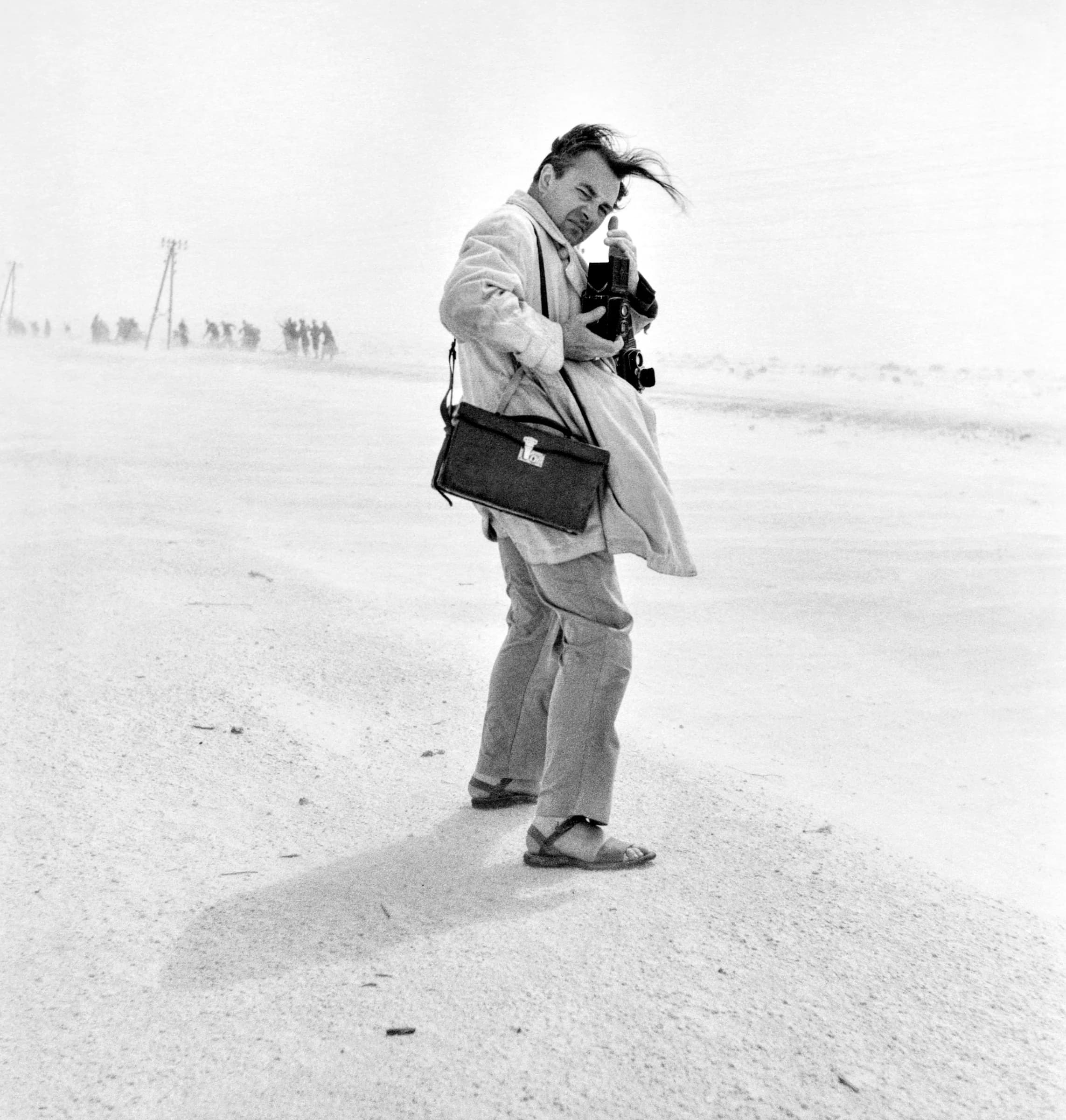
1904
1995
Philosophy of the Parisian Photographer
A Parisian by choice, Roger Schall belongs to that generation of photographers who have made the capital their canvas. A true ‘Parisian Photographer’, he casts a curious, elegant and profoundly modern gaze upon his era. At the crossroads of photojournalism, fashion and advertising, he captures the energy of the streets, the cultural vibrancy, social change and the French art de vivre. His work depicts not so much a place as a state of mind: that of a Paris in motion, open to the world and resolutely turned towards modernity.
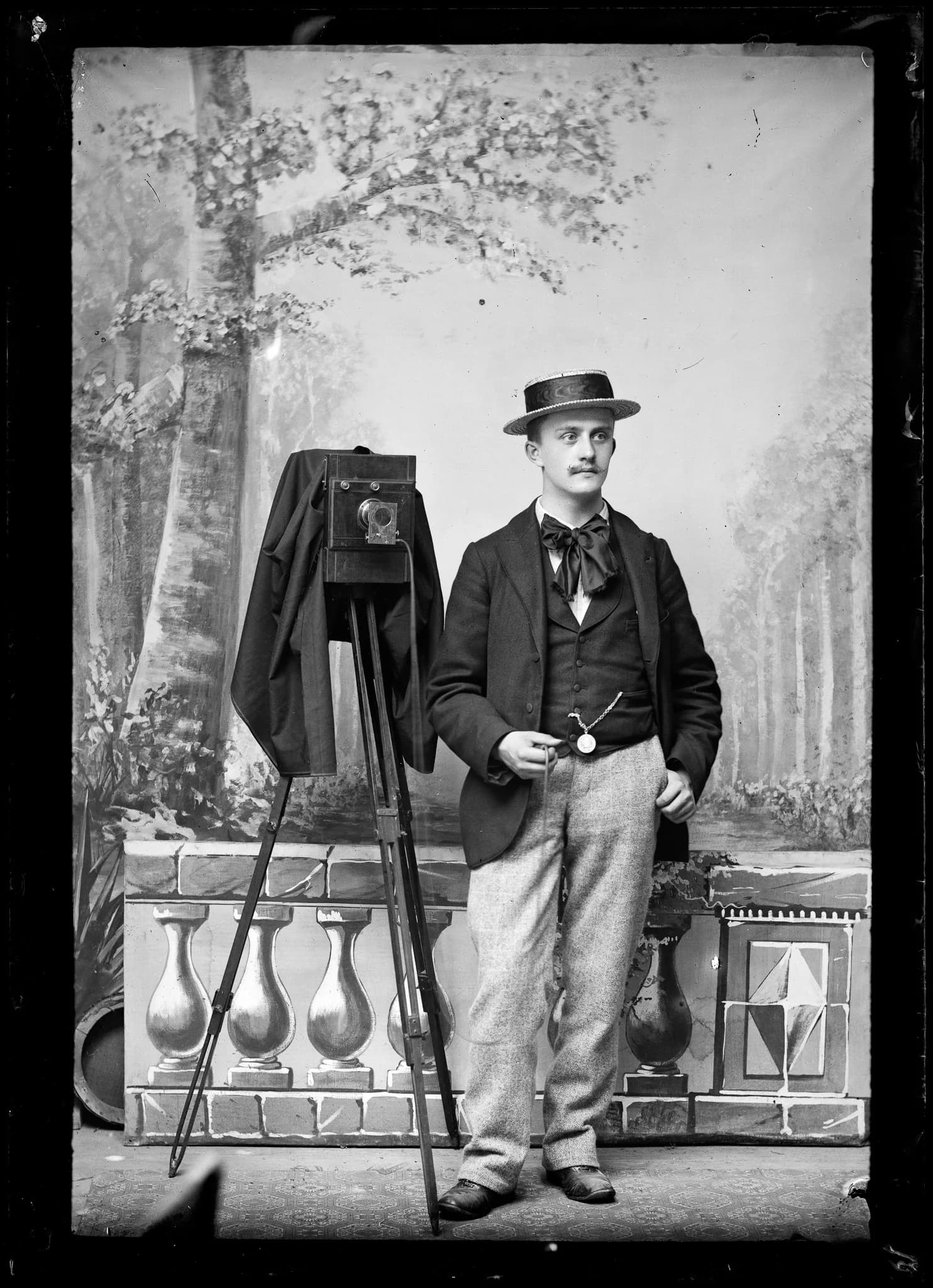
1897
Schalls, the origins
The Schall family’s history in photography began with Émile Schall (1877–1942), who settled in Nancy in 1897. Coming from a family that had left Alsace following the German annexation of 1871, he built up a thriving business as a portrait photographer at a time when every wedding, birth or First Communion was captured through the photographer’s lens. Specialising in portraits, school groups and regiments of the Nancy garrison, he instilled a love of photography in his son Roger from an early age, making photography a true family legacy.
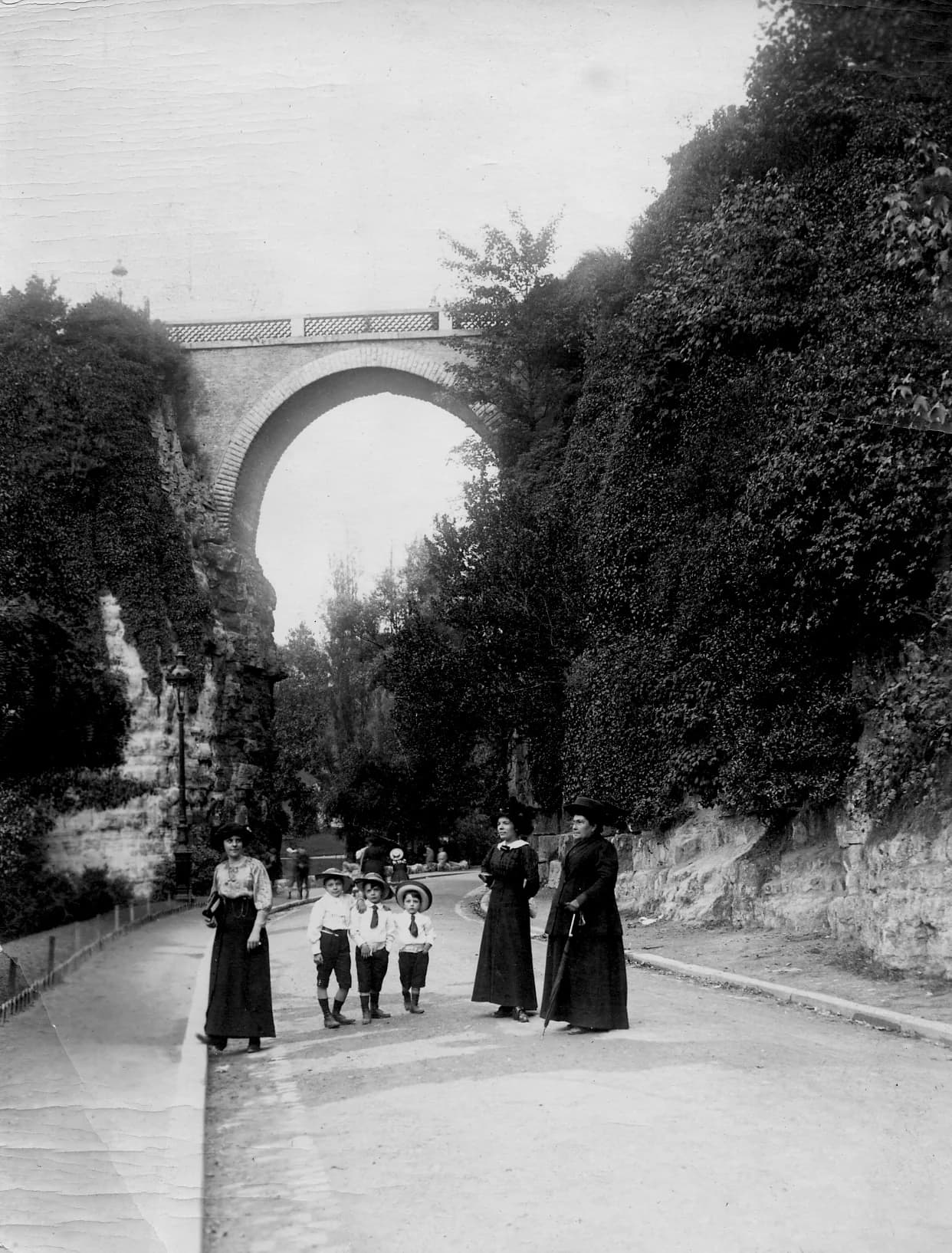
1910
From Nancy to Paris
When Émile Schall left Nancy for Paris in 1910, he offered his family far more than just a new home: he placed them at the heart of modernity. The capital was then experiencing an unprecedented cultural and industrial golden age. Roger Schall spent his childhood there and discovered a city on the move, where artists, journalists, fashionable women and workers all crossed paths. This vibrant Paris would become his first subject, his training ground and, later, the setting for some of his most iconic images.
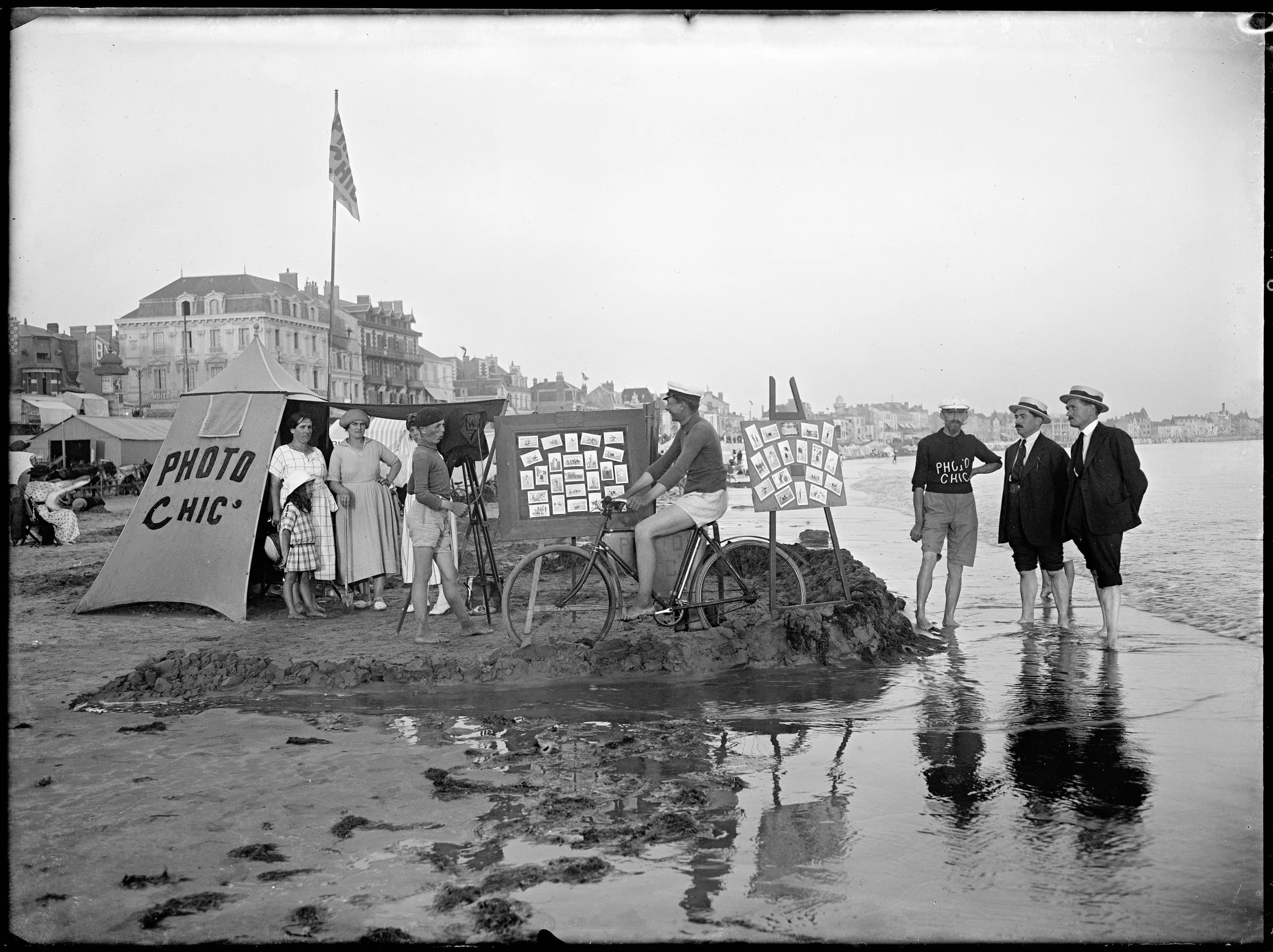
1914
Photo Chic
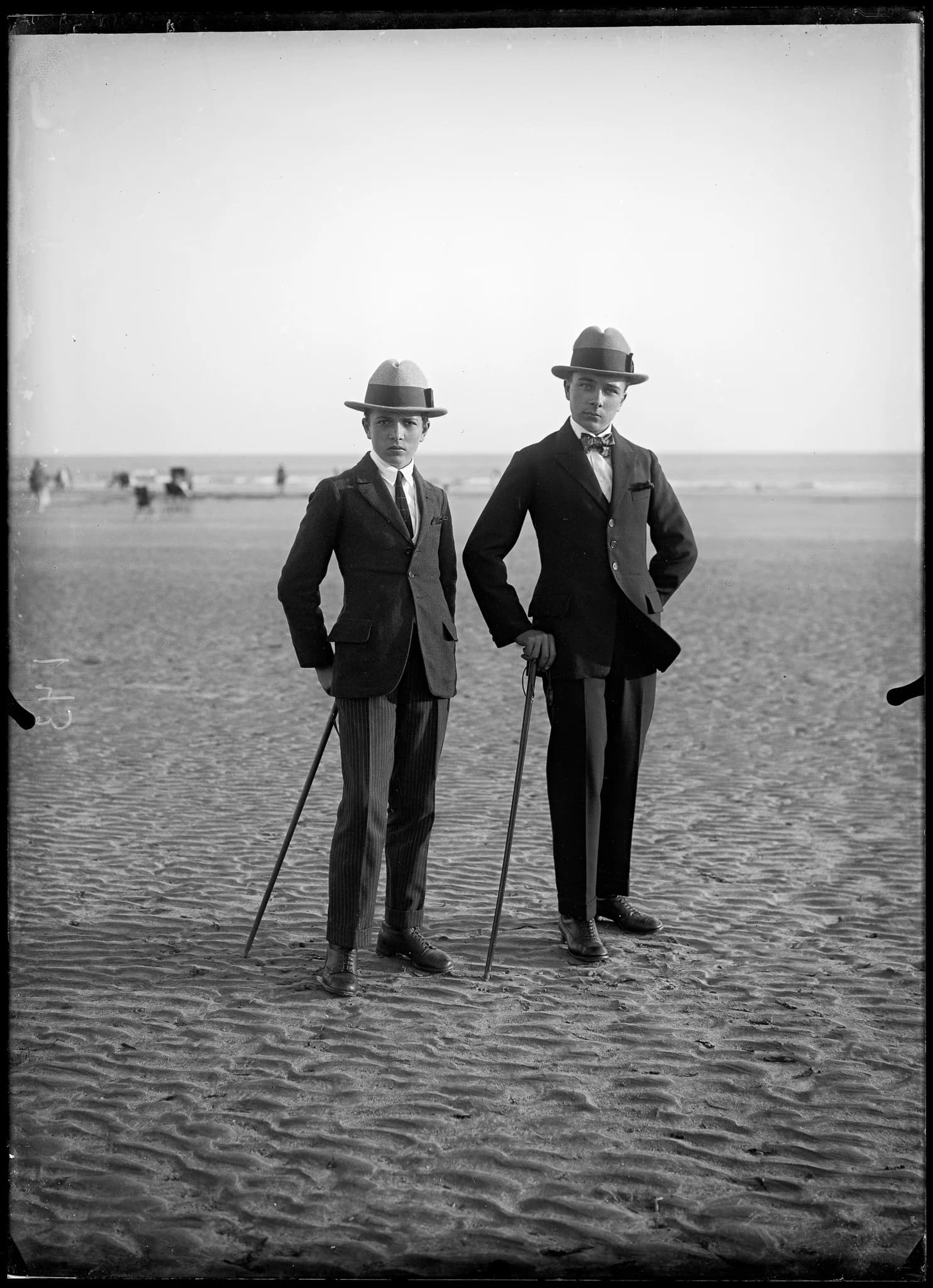
Every summer, the Schall family leaves Paris for Les Sables-d’Olonne, where Émile sets up his famous “Photo Chic” studio tent on the seafront. Capitalising on the boom in sea bathing and seaside tourism, this travelling business catered to a new desire: that of preserving holiday memories through photographs. Through his father, Roger discovered the demands of the profession at a very early age. He learnt how to print photographs, retouch them with a brush, and was introduced to taking pictures with a view camera. This practical training, complemented by drawing and painting classes at the École Bernard Palissy, laid the foundations for a visual style that would soon leave its mark on French photography.
1929
Conquering Paris with his Leica
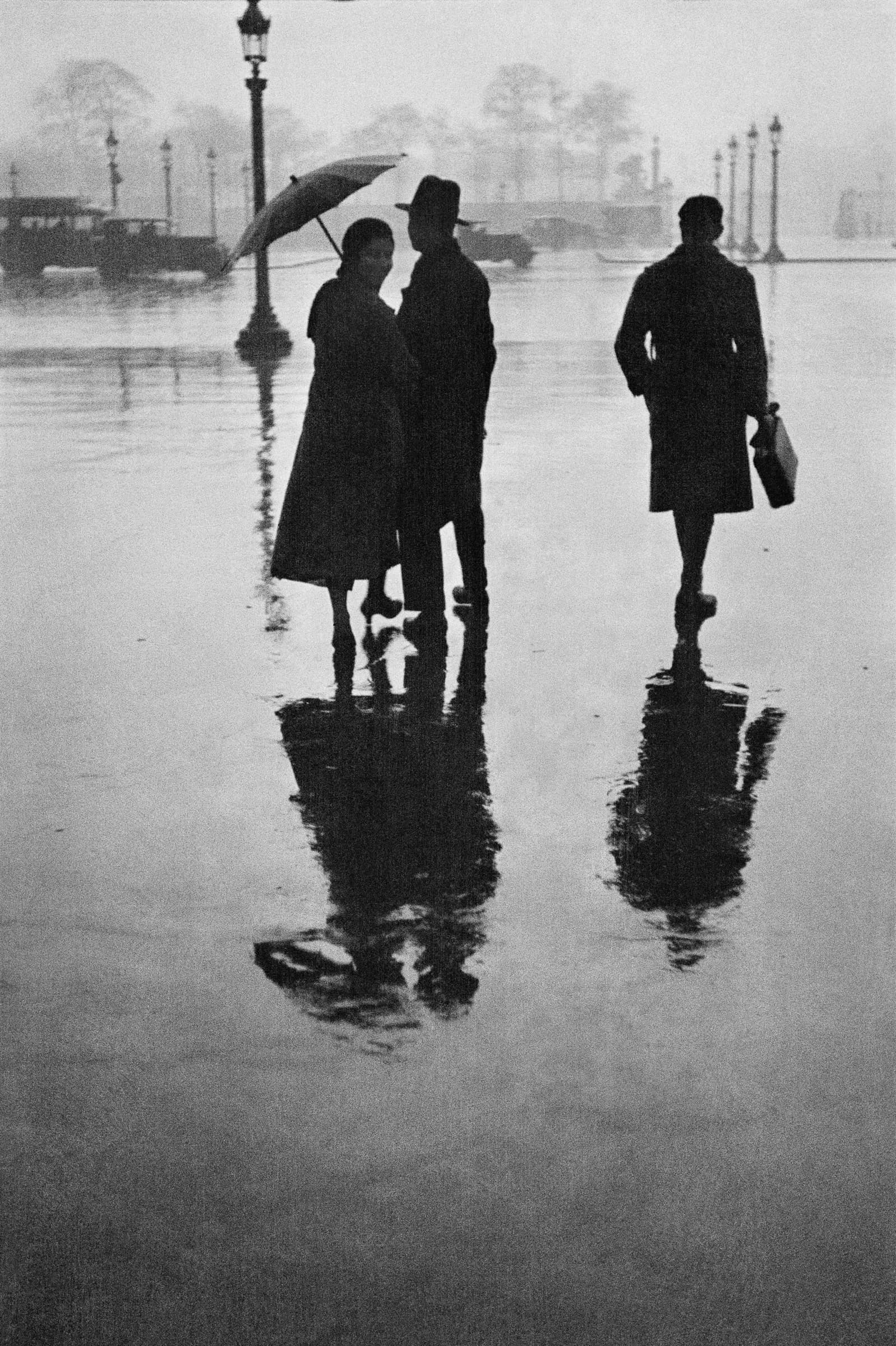
At the age of twenty-five, Roger Schall spent all his savings on a Leica. The arrival of this small camera, which used 35 mm film, revolutionised the practice of photography. Lighter, faster and more discreet than traditional view cameras, it allowed photographers to leave the studio and capture life on the spot. Schall then roamed Paris tirelessly, from the banks of the Seine to the local markets, from neighbourhood cafés to the rain-soaked streets. This newfound freedom transformed his perspective. Through bold framing, unexpected perspectives and a constant focus on everyday scenes, he invented a modern photographic style that would soon bring him fame.
1931
Schall Frères
In 1931, Roger Schall and his younger brother Raymond decided to found Schall Frères at 36 Avenue Junot in Montmartre. In this studio perched high above Paris, the two brothers formed a complementary partnership: Roger behind the camera, Raymond in the darkroom. This location quickly became the starting point for a meteoric rise. Thanks to his modern vision and a network of pivotal encounters, Roger published his first photo essays in illustrated magazines before being spotted by Lucien Vogel, editor-in-chief of VU. Within a few years, Schall Frères established itself as one of the leading names in French photography of the 1930s.
1935
Aboard Normandie
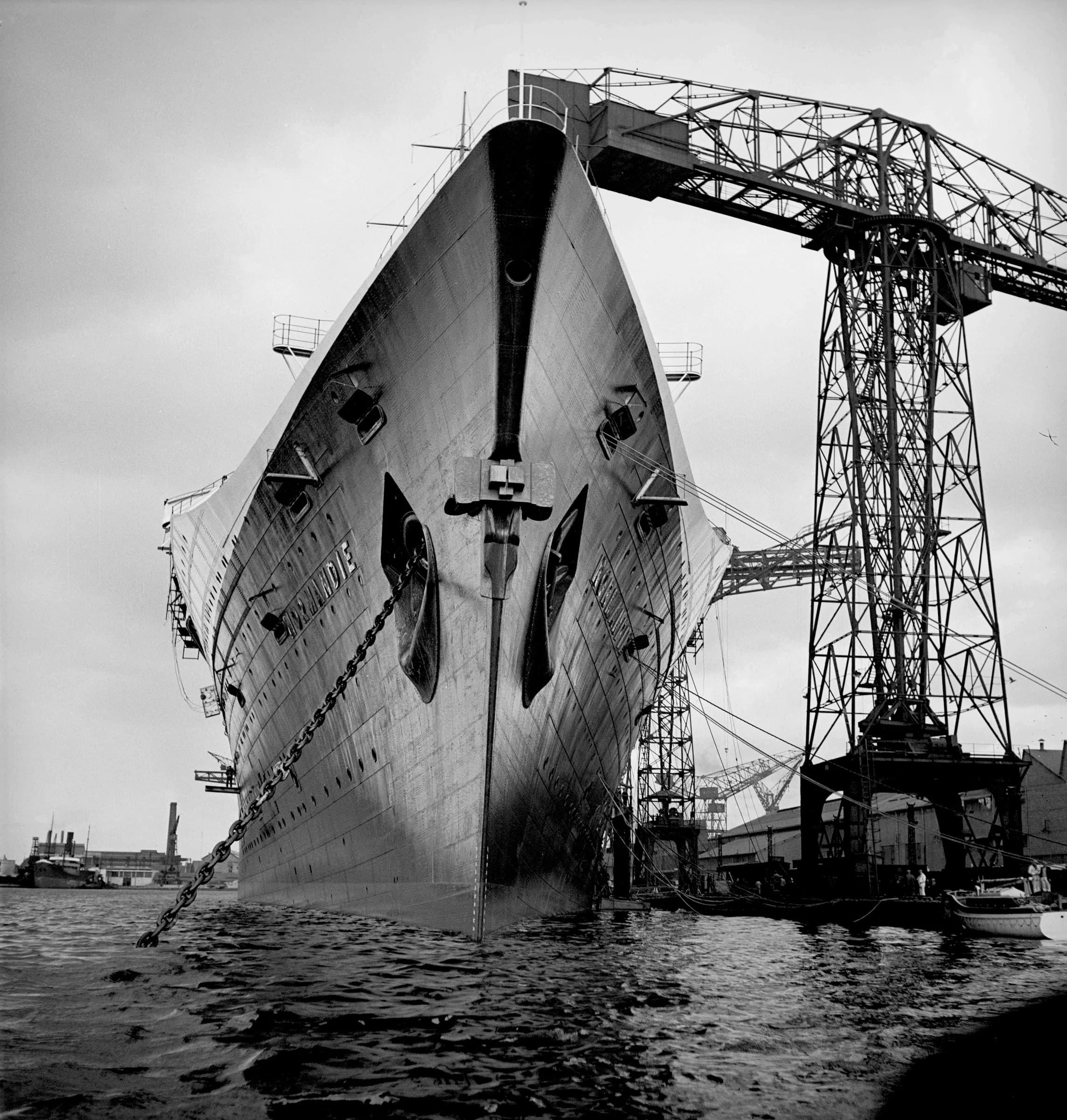
Commissioned by VU magazine, Roger Schall boarded the Normandie on her maiden voyage to New York in 1935, a defining moment in his career. Between 1934 and 1937, he documented the liner from the final stages of her construction in Saint-Nazaire to her celebrated transatlantic crossings. More than a ship, the Normandie embodied the ambitions of a nation and the promise of modernity. Through his lens, Schall captured both the scale of this industrial achievement and the elegance of life on board, creating a visual chronicle that remains one of the most compelling records of the French Art Deco era.
1937
In Print
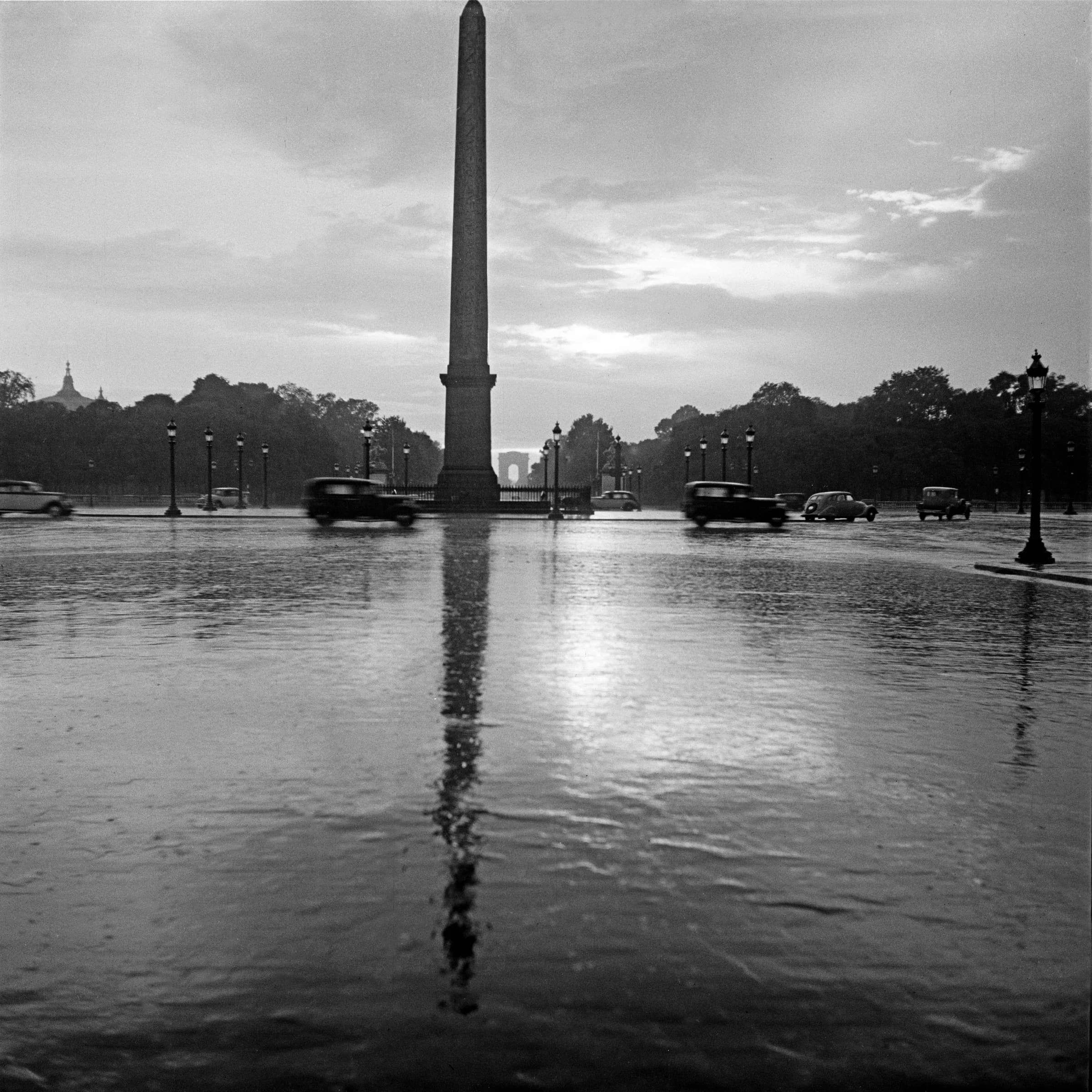
In 1937, Roger Schall published two landmark books, Paris de jour (Arts et Métiers Graphiques), introduced by Jean Cocteau, and Nu, written by Marcel Natkin. These publications reflected the breadth of his vision, from the bustling streets of Paris to the sculptural beauty of the human body. Whether portraying anonymous passers-by, modern leisure or the celebrated model Assia Granatouroff, Schall sought to capture the spirit of his time through light, movement and form. No longer confined to the pages of magazines, his photographs entered the world of publishing, confirming his status as one of the leading visual interpreters of modern France.
.jpg&w=3840&q=75) Paris de jour (Arts et Métiers Graphiques, 1937)
Paris de jour (Arts et Métiers Graphiques, 1937).jpg&w=3840&q=75) Le Nu en photographie (Natkin, 1937)
Le Nu en photographie (Natkin, 1937)
1942
Witnessing France
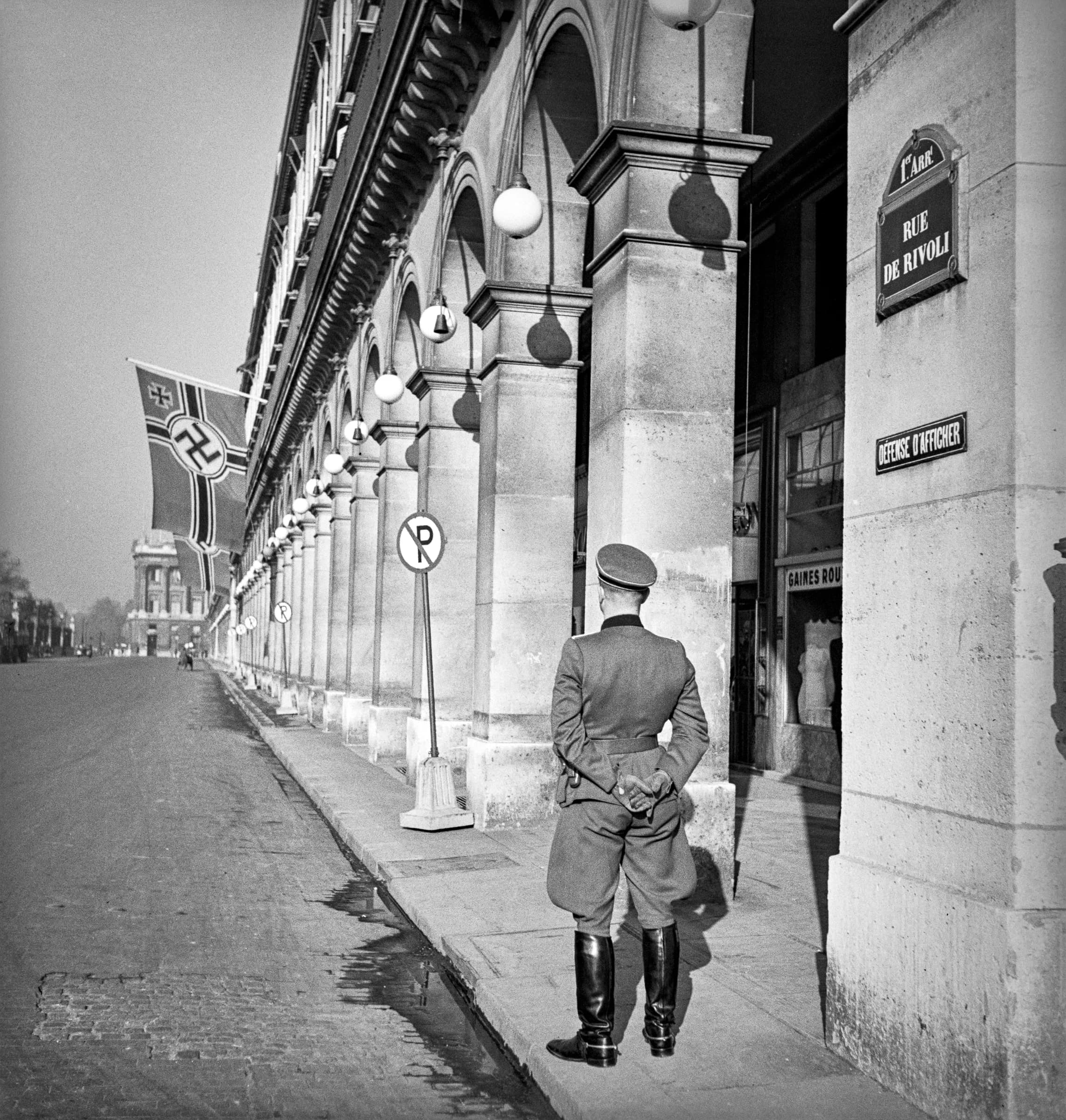
The outbreak of the Second World War brought Roger Schall’s flourishing career to an abrupt halt. Mobilised alongside his brother Raymond, he served in the French Army’s Photo-Cinema Unit before returning to an occupied Paris, where censorship and wartime restrictions threatened the very future of photography. While the illustrated press declined, Raymond turned adversity into opportunity by founding Éditions Raymond Schall in 1942. Their first major success, Reflets de France, gathered hundreds of Roger’s photographs celebrating the landscapes, traditions and timeless spirit of the French provinces. Towards the end of the war, À Paris sous la botte des nazis revealed a starkly different reality, documenting daily life under occupation. Together, these publications transformed the brothers from photographers into publishers and preserved a unique visual record of wartime France.
.jpg&w=3840&q=75) Reflets de France
Reflets de France.jpg&w=3840&q=75) À Paris sous la botte des nazis (1944)
À Paris sous la botte des nazis (1944)
1945
A New Era
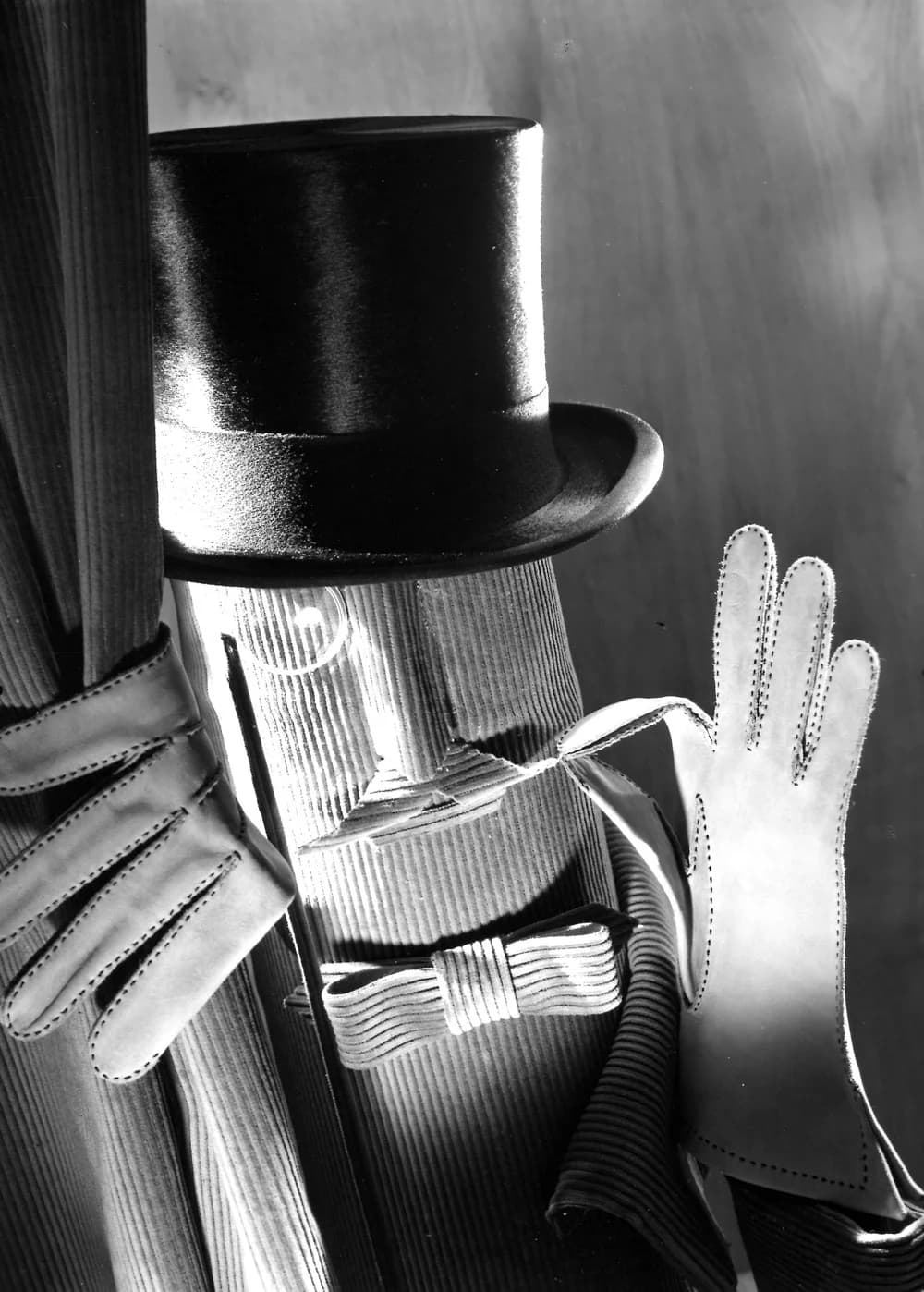
The end of the war marked a profound turning point in Roger Schall’s career. As photojournalism lost its central place and the Schall Frères era came to a close, he gradually turned away from major reportage assignments to focus on fashion, luxury and the French art de vivre. His photographs chronicled a country embracing renewal, from society events and horse races to the worlds of couture, luxury and fine craftsmanship. Working for leading magazines and prestigious French houses, Schall applied the same modern eye that had defined his earlier reportage. Exhibited at the National Photography Salons in 1947 and 1948, his work reflected the aspirations of a France looking confidently toward the future.
1970
An Artist Polymorphic
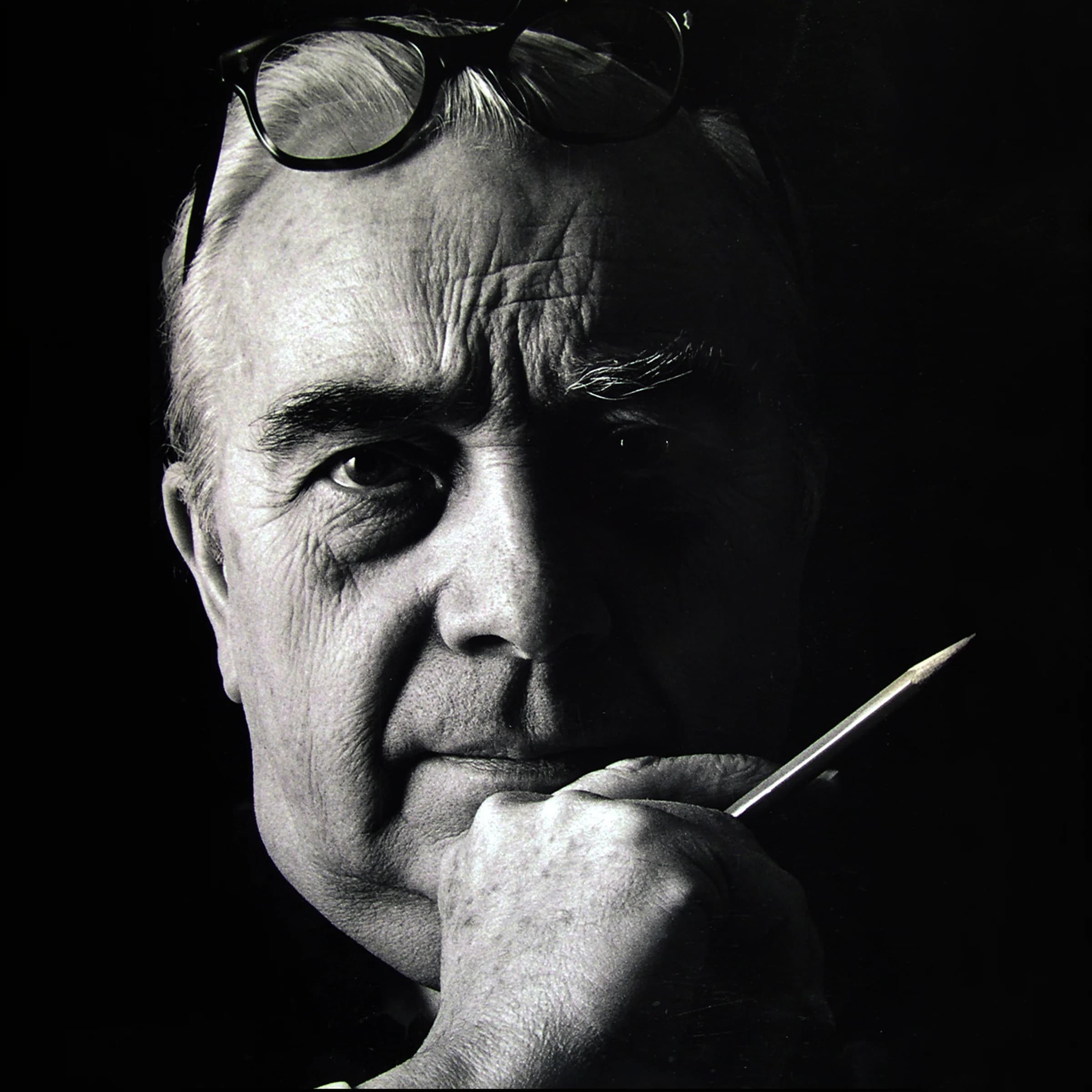
Drawing and painting had accompanied Roger Schall since childhood, long before photography became his profession. As the photographic world evolved and a new generation emerged, he gradually stepped away from the camera to return to his first artistic passions. After passing on his knowledge to his son Jean-Frédéric, he devoted himself to painting, drawing and the preservation of his archives. More than a photographer, Schall was an artist whose curiosity and creative spirit transcended any single medium. His legacy endures through a body of work spanning more than half a century and offering a remarkable portrait of twentieth-century France.